
Your cart is currently empty!
ai architecture
-
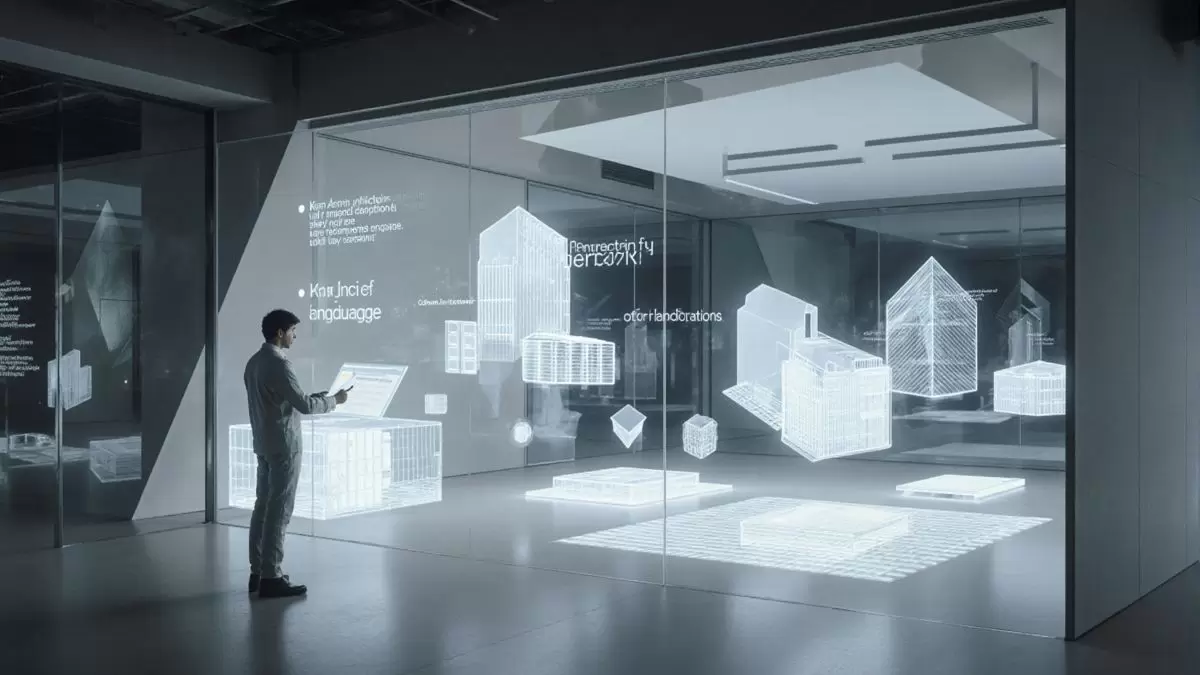
Promptcraft in Architecture and Design Imagination
Artificial intelligence introduces a new medium for architectural imagination, in which words function as instruments of design. Promptcraft, the structured practice of communicating with AI systems through language, establishes a framework that turns linguistic precision into architectural outcomes. Every description becomes a parameter, every modifier a spatial decision. It defines a future where the architect…
-
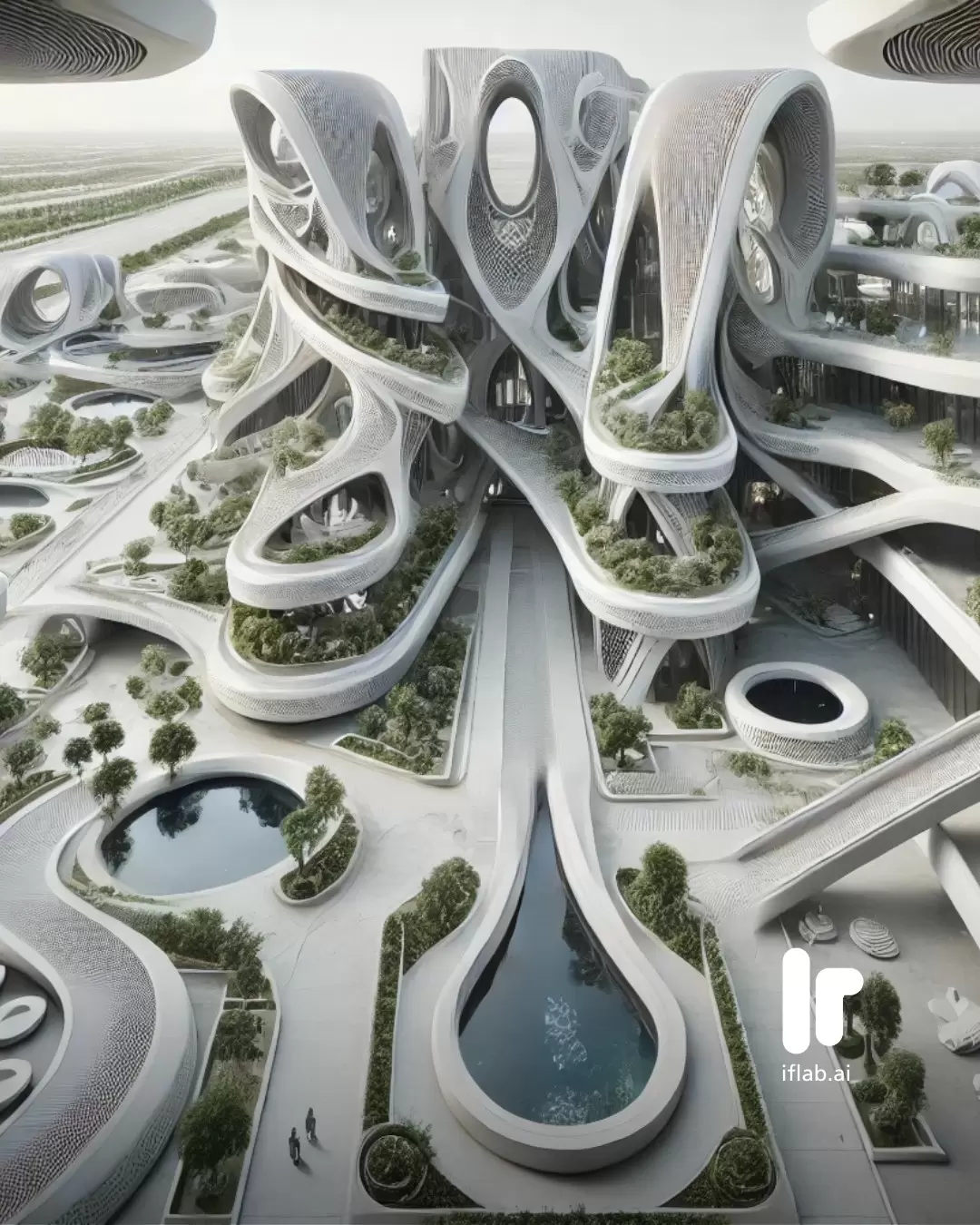
NEORA: The City of Living Structures
NEORA belongs to a distant horizon of human imagination where architecture transcends material permanence. The city glows with the quiet certainty of progress, its structures unfolding like organisms in controlled symbiosis. Buildings rise from the ground as if grown through coded instruction, each layer forming a seamless conversation between geometry and gravity. The architecture of…
-
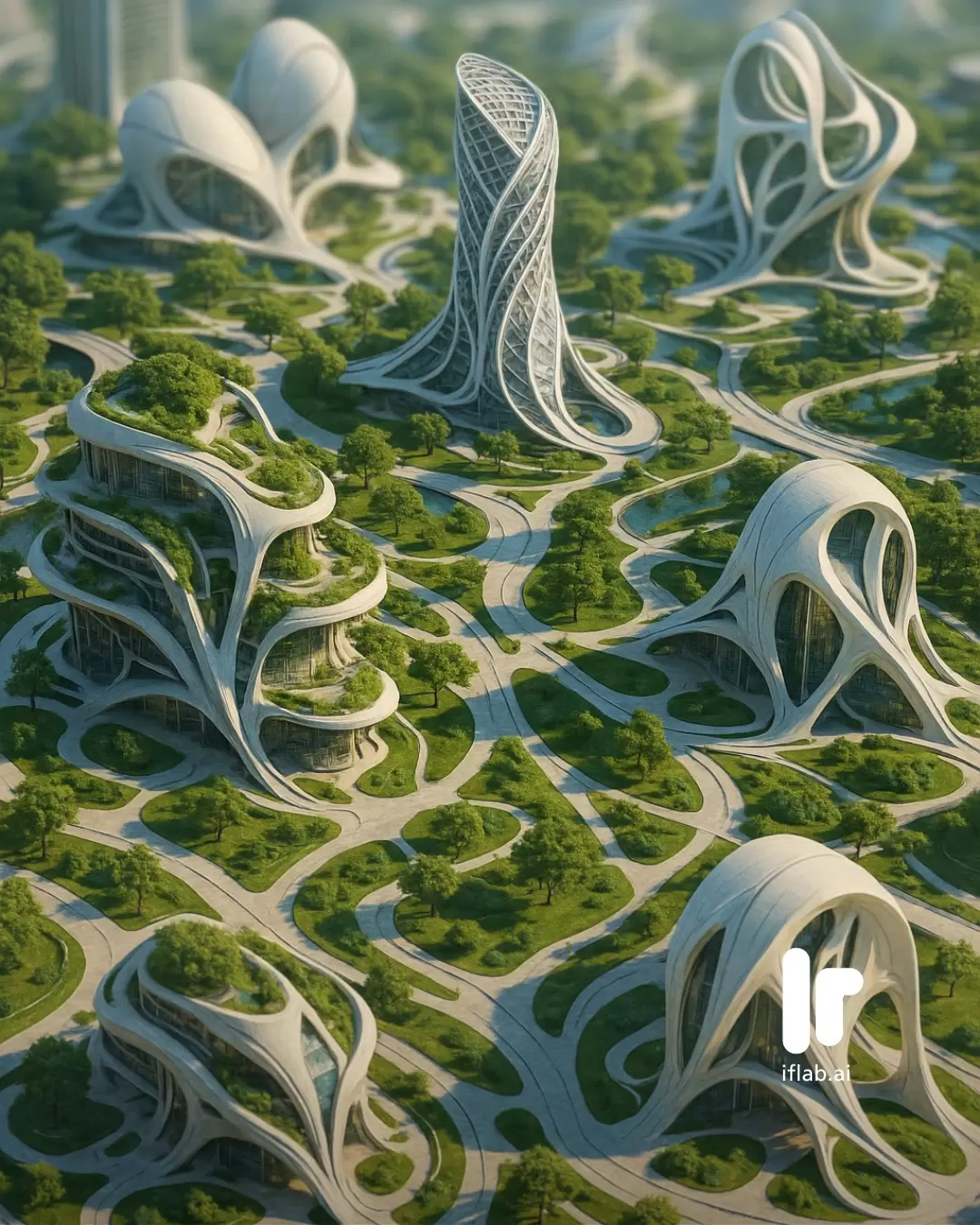
A Living Grid of Algorithmic Nature
An urban ecology where architecture grows like coral and cities breathe like forests. Verdantia Nexus envisions the city as a self-regulating organism. It is a place where architecture, landscape, and algorithmic intelligence form a unified ecosystem. Buildings rise from the terrain in a smooth, continuous flow, their shapes influenced by data streams that simulate growth,…
-
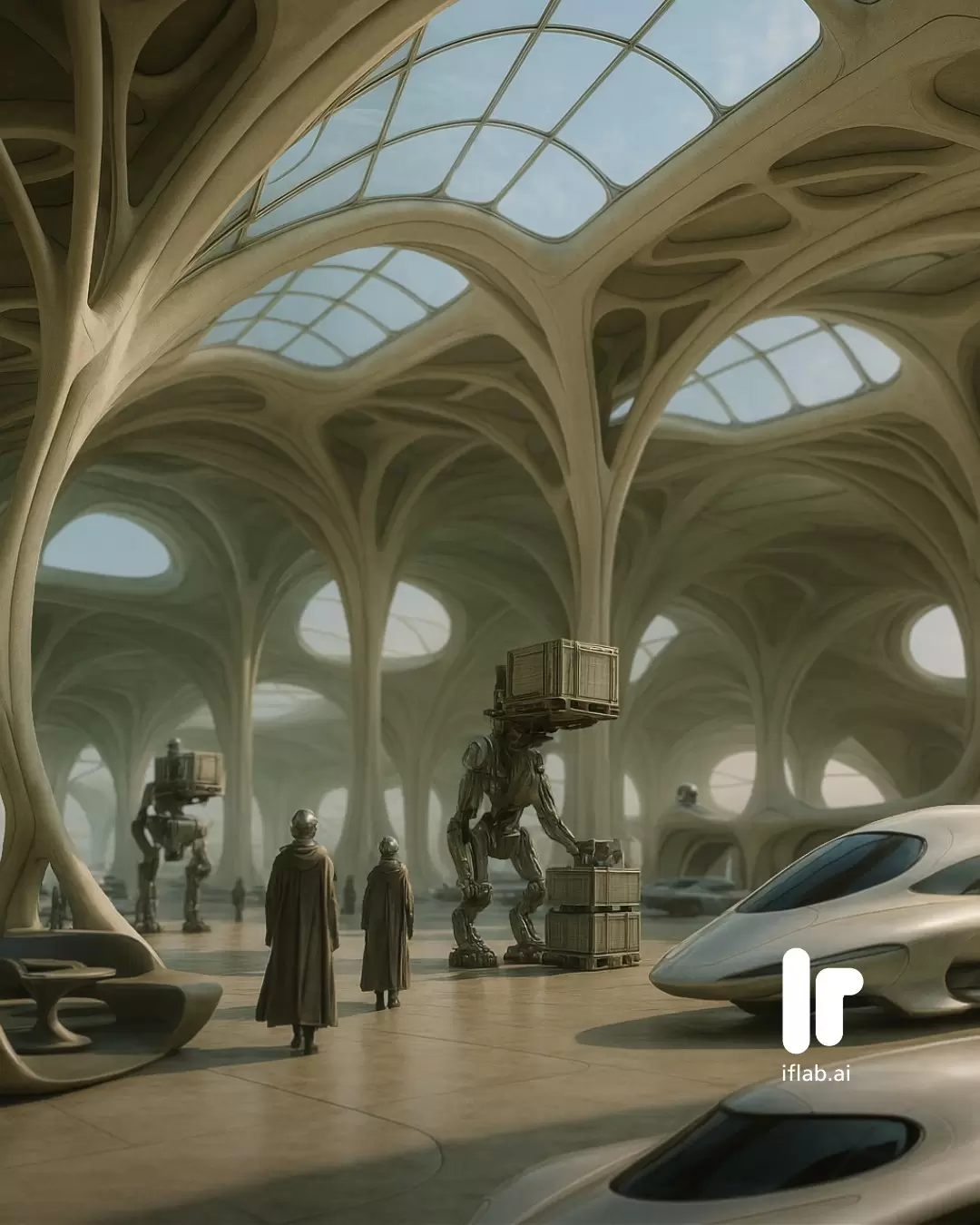
The Aurelian Atrium and Organic Intelligence
The Aurelian Atrium imagines a civilization in which architecture and automation exist as a single evolving entity. The great hall unfolds as a living skeleton, its structure shaped by natural morphologies that echo the branching of trees and the fluidity of coral growth. The vast canopy above filters light through a web of organic vaults,…
-
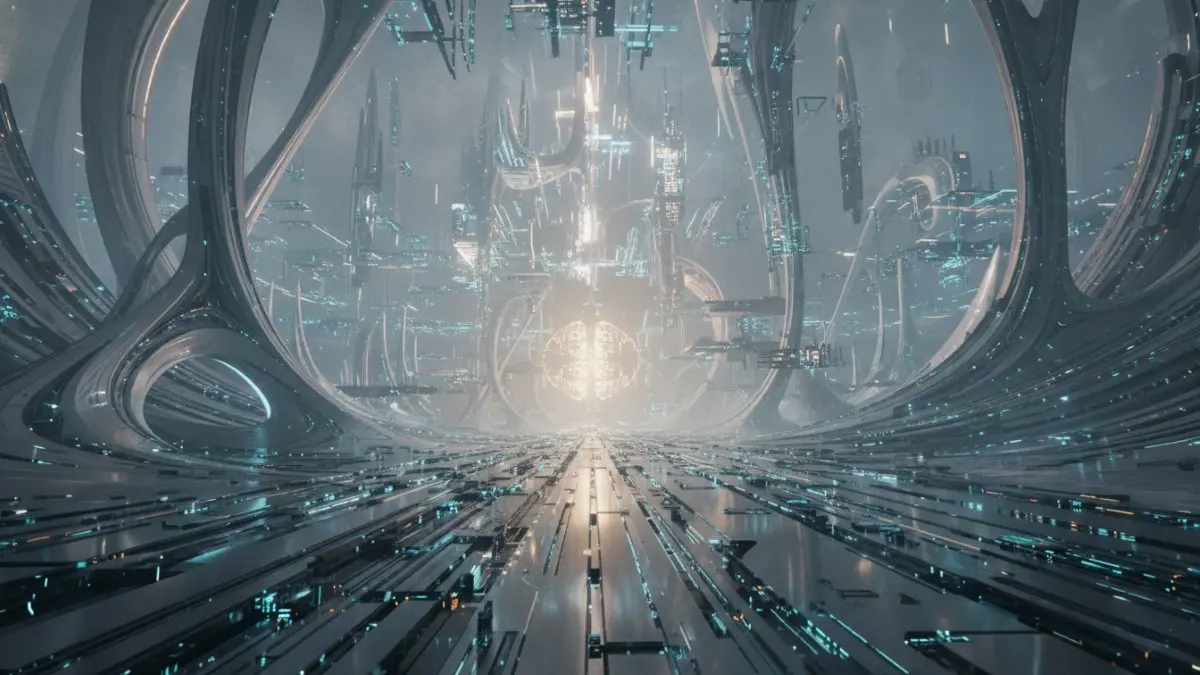
AI Design Imagination and the Future of Space
Artificial intelligence is redefining how architects imagine and shape space. Beyond rendering images, it opens a deeper layer of creative analysis by testing light, form, and human experience through data-driven exploration. Generative tools can now simulate thousands of possibilities before the first line is drawn, transforming early design into a discovery process rather than repetition.…