
Your cart is currently empty!
Promptcraft in Architecture and Design Imagination
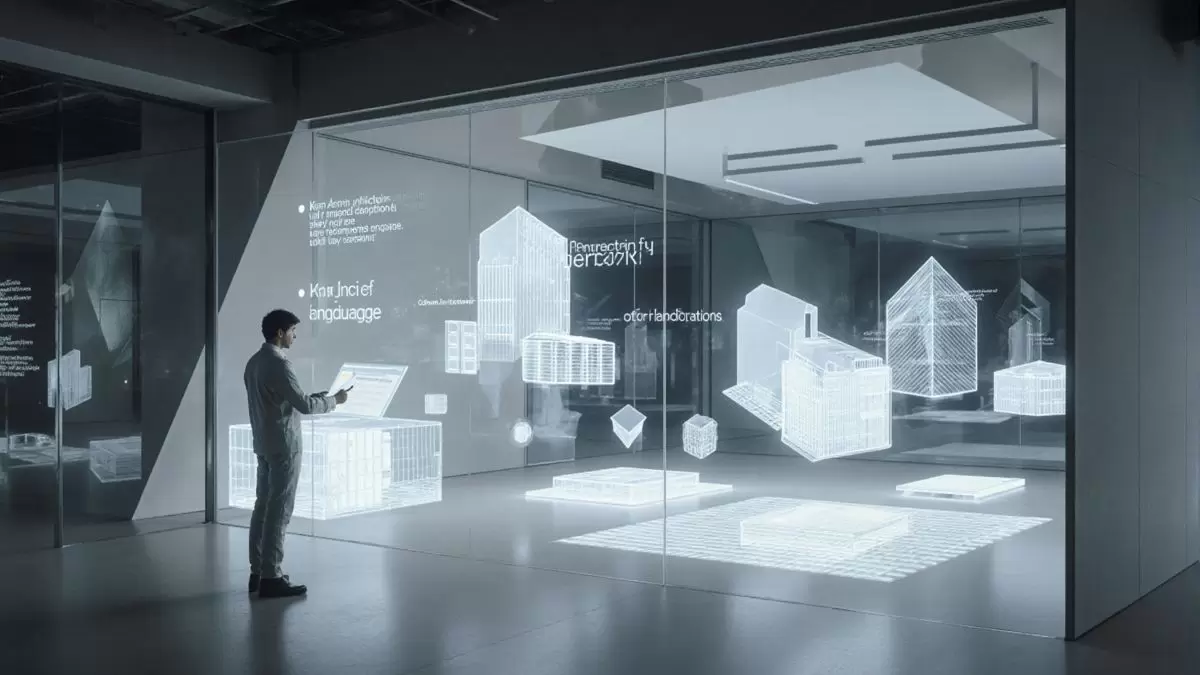
Artificial intelligence introduces a new medium for architectural imagination, in which words function as instruments of design. Promptcraft, the structured practice of communicating with AI systems through language, establishes a framework that turns linguistic precision into architectural outcomes. Every description becomes a parameter, every modifier a spatial decision. It defines a future where the architect operates within a feedback loop of thought, simulation, and revision.
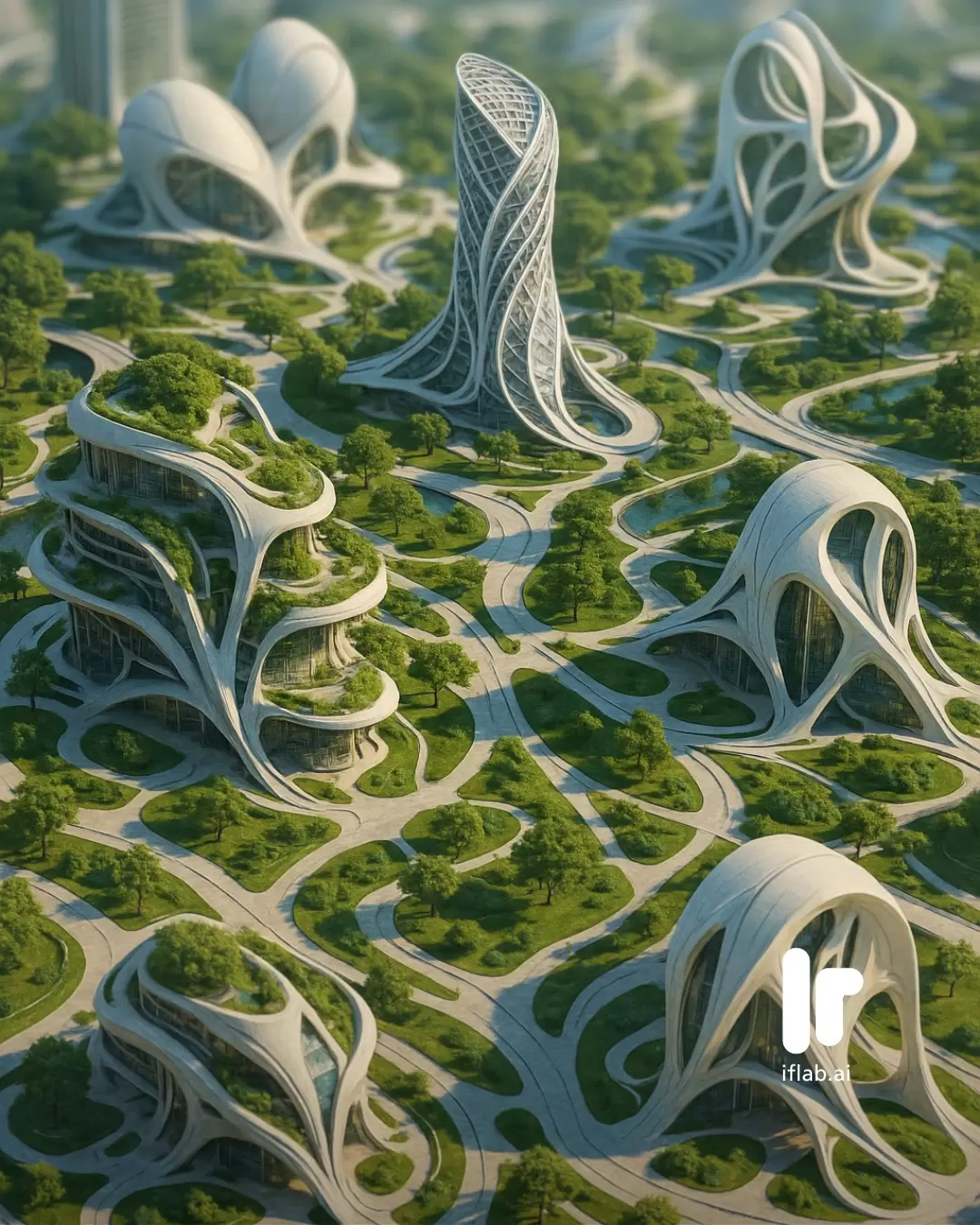
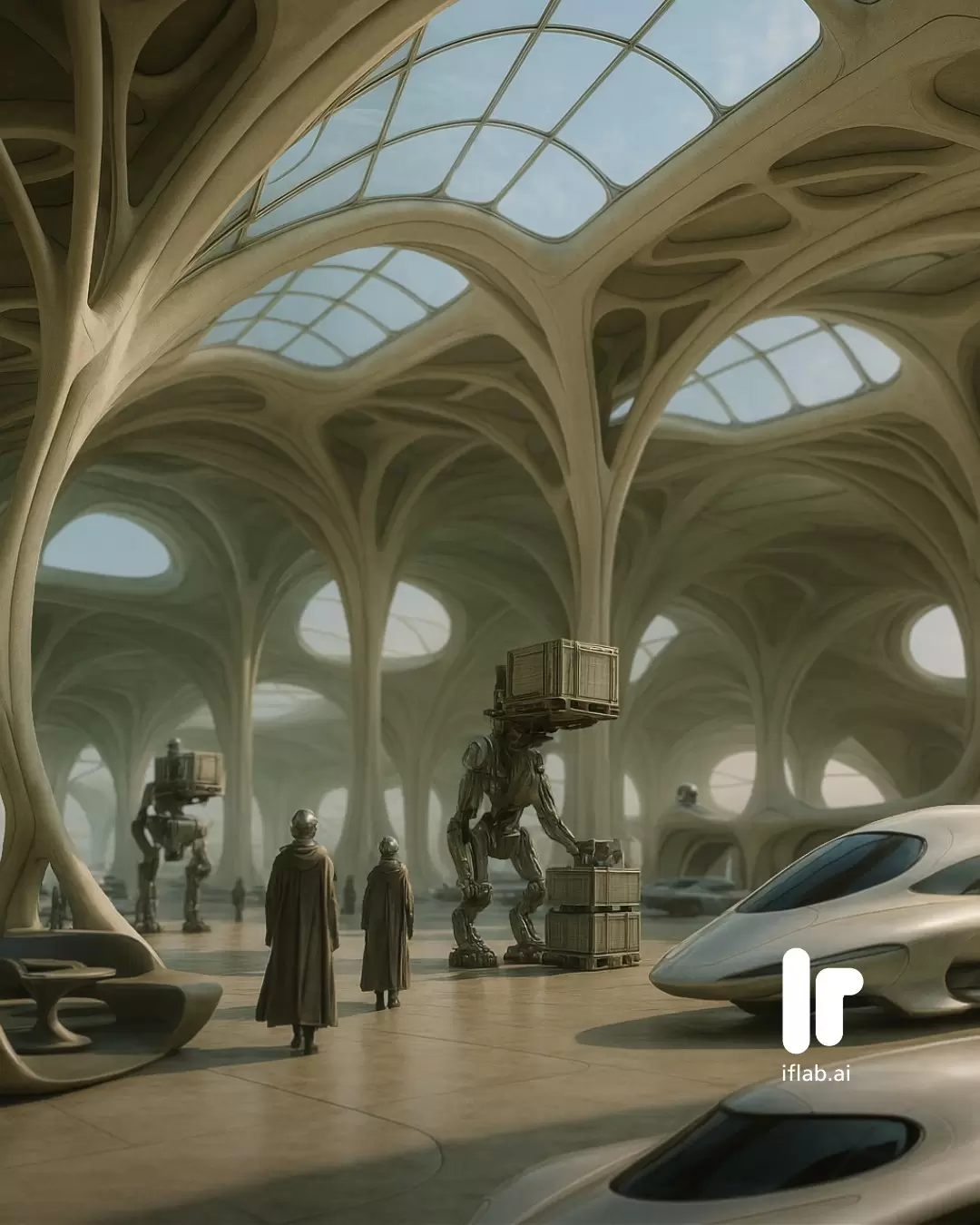
Architectural experimentation through AI systems such as Midjourney, DALL·E, and Stable Diffusion demonstrates how text-to-image generation can translate conceptual vocabulary into visual form. Studies in leading universities and research laboratories show that the use of prompt-based workflows increases conceptual diversity while reducing production time. A 2024 study at ETH Zurich observed that students using prompt-guided generative models produced three times more iterations than traditional digital modeling exercises. The result was not only a higher rate of creative output but a broader engagement with abstract and material thinking.
Promptcraft cultivates a new discipline of linguistic spatial reasoning. Architects who learn to compose prompts effectively can describe geometry, scale, texture, and ambiance in a structured syntax that AI can interpret. This process strengthens analytical thinking, since each outcome must be examined, refined, and reconstructed through successive prompt adjustments. It is a dialogue of precision, where the architect’s mastery depends on the clarity of thought expressed through language.
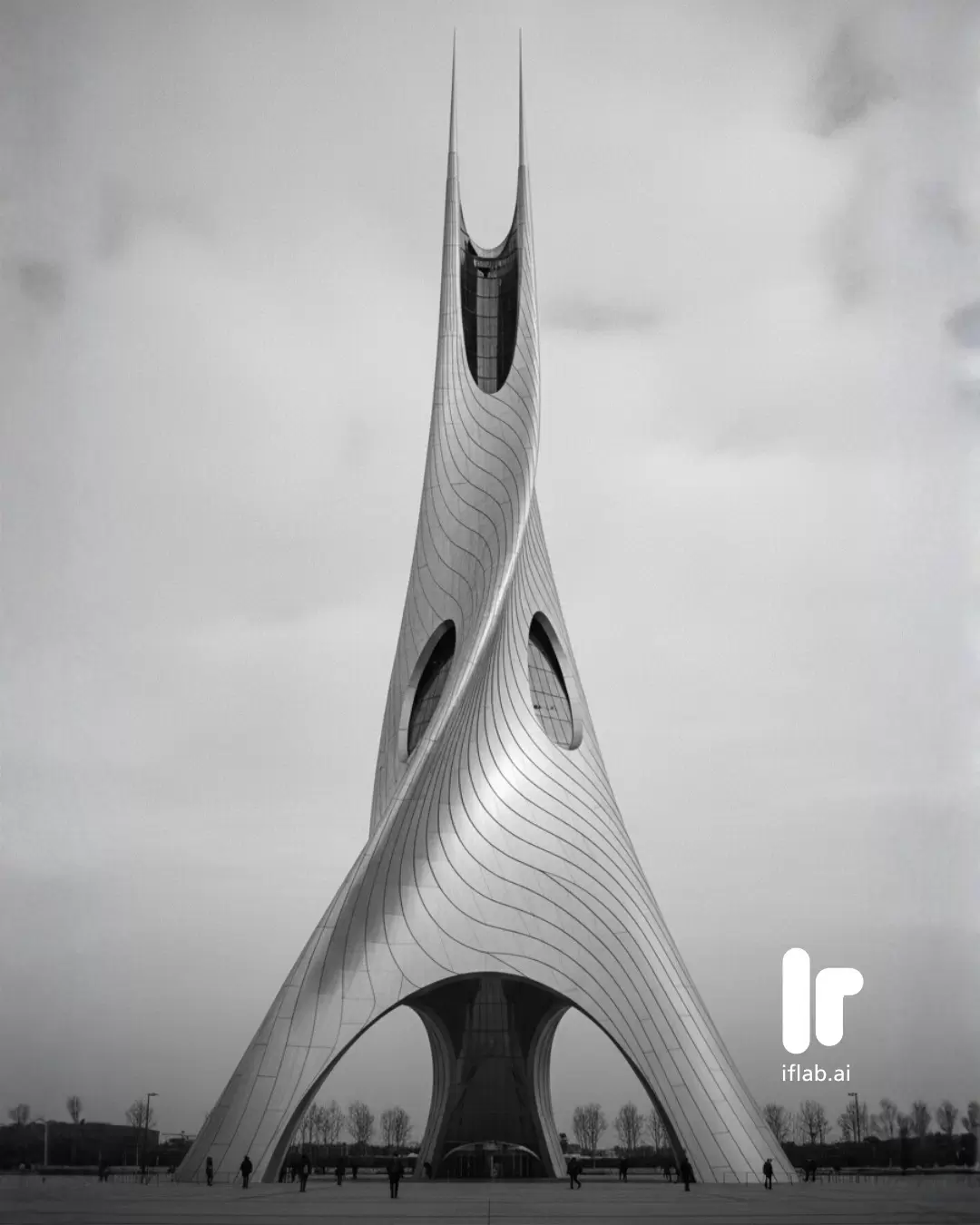
Studios experimenting with these tools, such as Zaha Hadid Architects and BIG, employ AI-generated form studies to accelerate conceptual exploration and reveal emergent geometries. These experiments do not replace authorship but transform it into a distributed act of intelligence between human intent and machine computation. The architect becomes a systems thinker, orchestrating logic and emotion to arrive at forms that once seemed impossible within conventional modeling workflows.
Promptcraft also introduces new pedagogical frameworks for design education. Academic institutions now integrate AI prompt laboratories to teach students how to move between linguistic abstraction and physical manifestation. In this setting, architectural design resembles scientific inquiry, in which hypotheses are tested through simulation and analysis. The iterative cycle strengthens both creative and rational faculties, encouraging architects to design with evidence as well as intuition.
The implications reach beyond aesthetic experimentation. AI-guided workflows are beginning to influence feasibility studies, environmental simulations, and real estate strategy. Predictive algorithms can assess the financial and spatial impact of design variations, linking creativity with economic intelligence. When such systems are integrated into practice, architects gain the ability to make data-informed decisions while maintaining the poetic and experiential dimensions of space.
Design imagination in the age of AI is a blend of artistry and computation. Promptcraft is instrumental in this, enabling architects to navigate this duality. It treats each project as a living experiment in form, performance, and meaning. Promptcraft underscores that architectural intelligence is a product of dialogue between language and image, between human and machine, between vision and realization. In this continuous exchange, design evolves into a visible form of thought, affirming the collaborative growth of architectural intelligence from conversation.
Leave a Reply