
Your cart is currently empty!
Tomorrow’s Cities Through Orbital Thinking
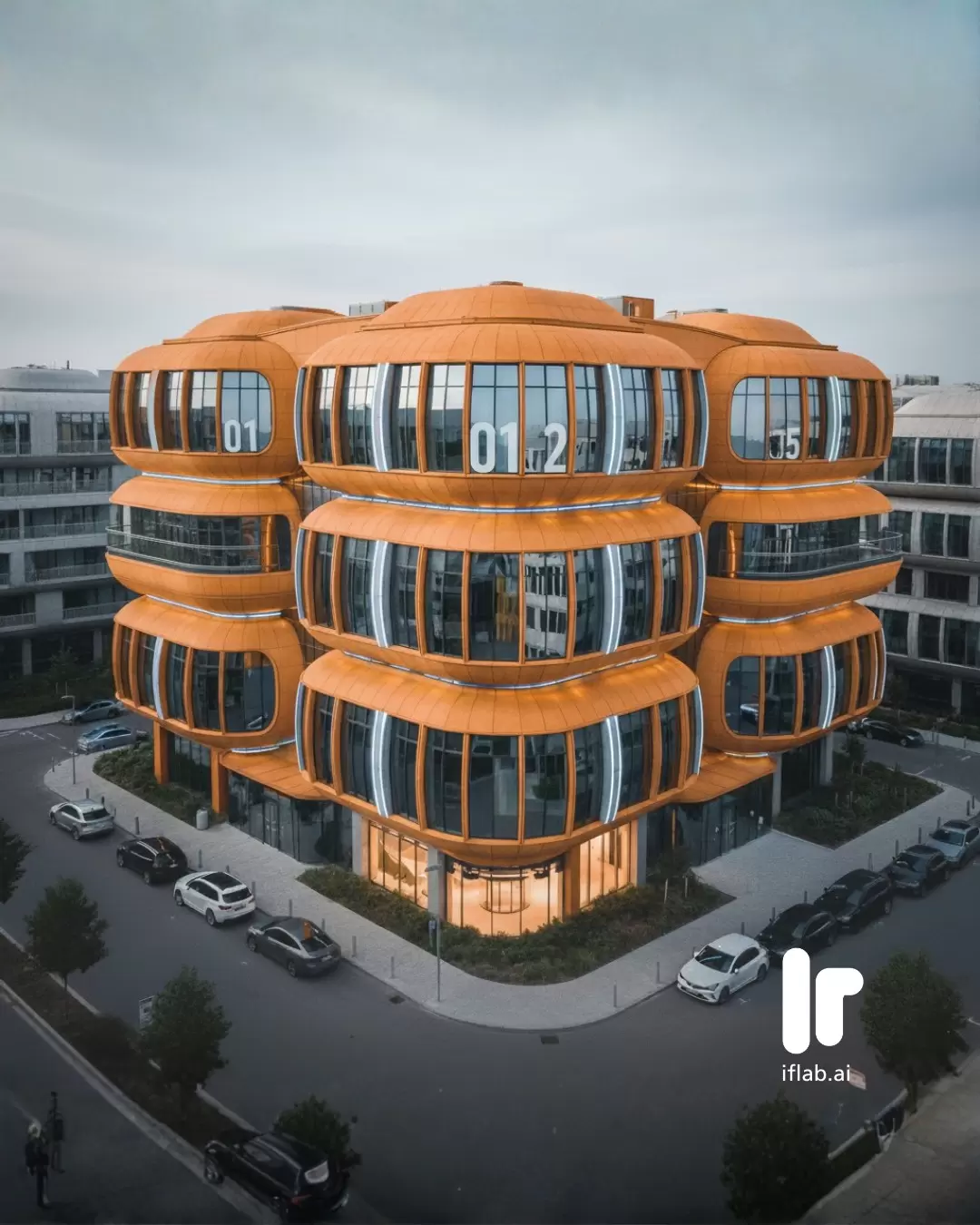
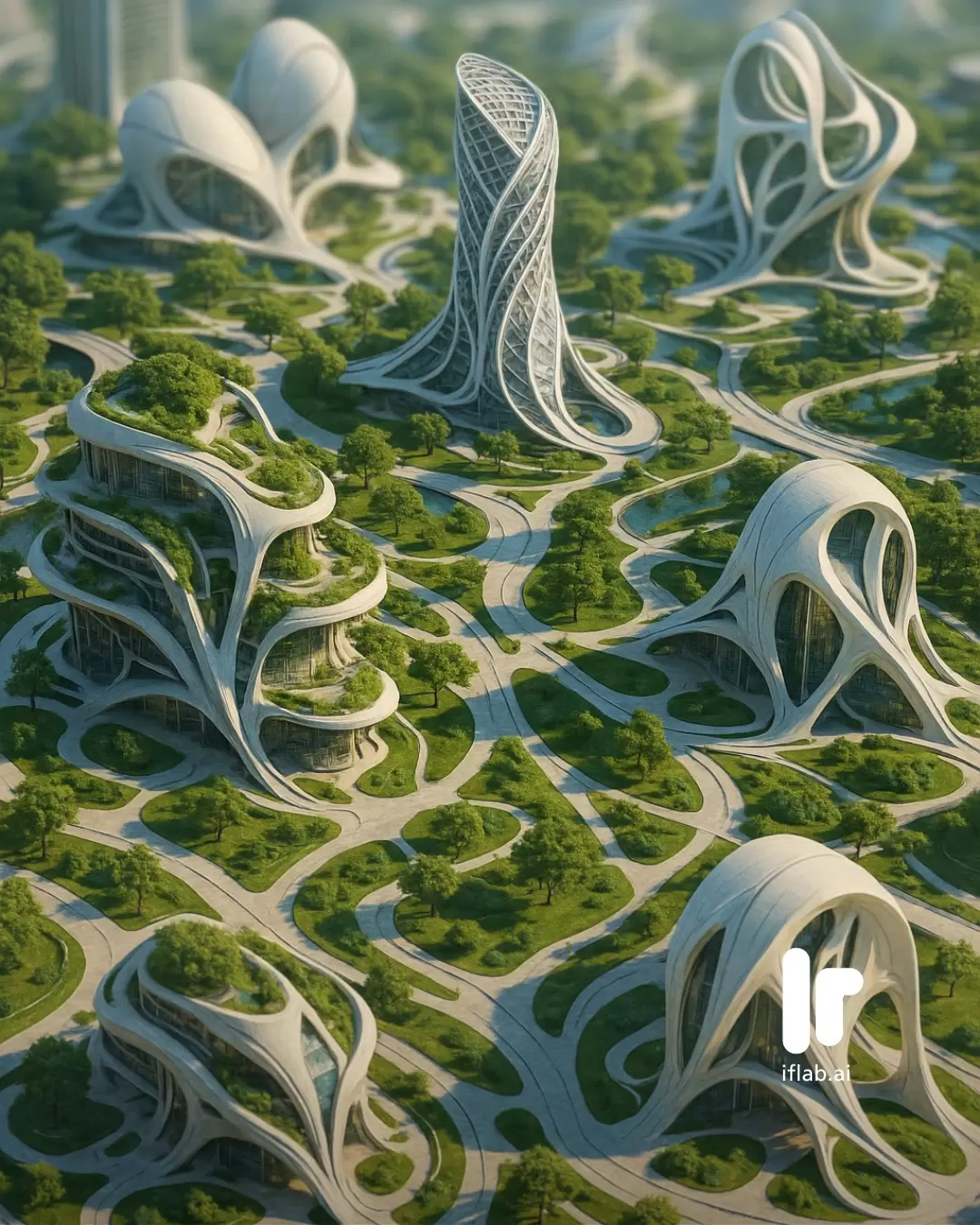
PROMPT: A realistic late-afternoon architectural photograph of a mid-rise, futuristic, space-age-inspired, multiple-geodesic-biodome structure, captured from an isometric view. The building’s form is organic and round, emphasizing 3D-printing rhythm through repeating façade modules. Its massing reads as a stacked volume of ergonomic pods with recessed window bays, creating a subtle play of depth and shadow. The exterior features vertical concrete fins framing wide glass panels, likely reflective or low-E glazing that mirrors the pale blue sky and adjacent structures. The ground floor includes a glazed entrance zone, partially shaded by the upper layers of curvilinear canopies, while the roofline is undulating and minimally ornamented.
Lighting is soft and diffuse, typical of a late-afternoon overcast sky — balanced exposure without harsh contrast. Reflections across the façade are faint and realistic, revealing the building’s structural grid. The color palette centers on cool grays and neutral concrete tones accented by muted greens from surrounding vegetation and the soft blues of reflected light. A few parked cars sit quietly at the curb, grounding the scene in realism without distracting from the composition.
Shot with a moderately wide lens (about 28–35mm) at f/8 for deep focus, the perspective maintains architectural fidelity — parallel lines, consistent scale, and precise geometry. The camera stands approximately at aerial view height, static, facing the main façade. Post-processing is minimal: natural contrast, subtle clarity boost, no visible grain, and only a gentle vignette to center attention.
The image should evoke a sense of calm urban order, exemplifying rationalist or late-modern design that prioritizes proportion, material honesty, and transparency. The building surface is painted bright orange with white serial numbers on each level across the canopy curve. There are lines of lighting features vertically across the building’s surface, emitting a bluish tint. There is an orange glow coming from the lobby at the ground-floor entrance.
Engine: Google Gemini 2.5 Flash
Narrative
Space Age architecture emerged from the optimism of the mid-twentieth century when humanity turned its attention toward the sky and imagined a new way of living. It was a time when the limits of Earth felt temporary and the language of design began to echo the precision of flight. Buildings learned from spacecraft. Surfaces curved to reduce resistance. Windows became ports of light. The world was entering an age where form suggested movement and structure carried the grace of engineering.
The early Space Age architects believed in the idea of progress as poetry. Aluminum and composite materials replaced stone and timber. Interiors became bright, modular, and free of ornament, shaped by geometry that celebrated efficiency. The result was an architecture that seemed to lift itself from the ground, as if gravity were already negotiable. People lived surrounded by forms that symbolized ascent, ambition, and belief in the human ability to advance.
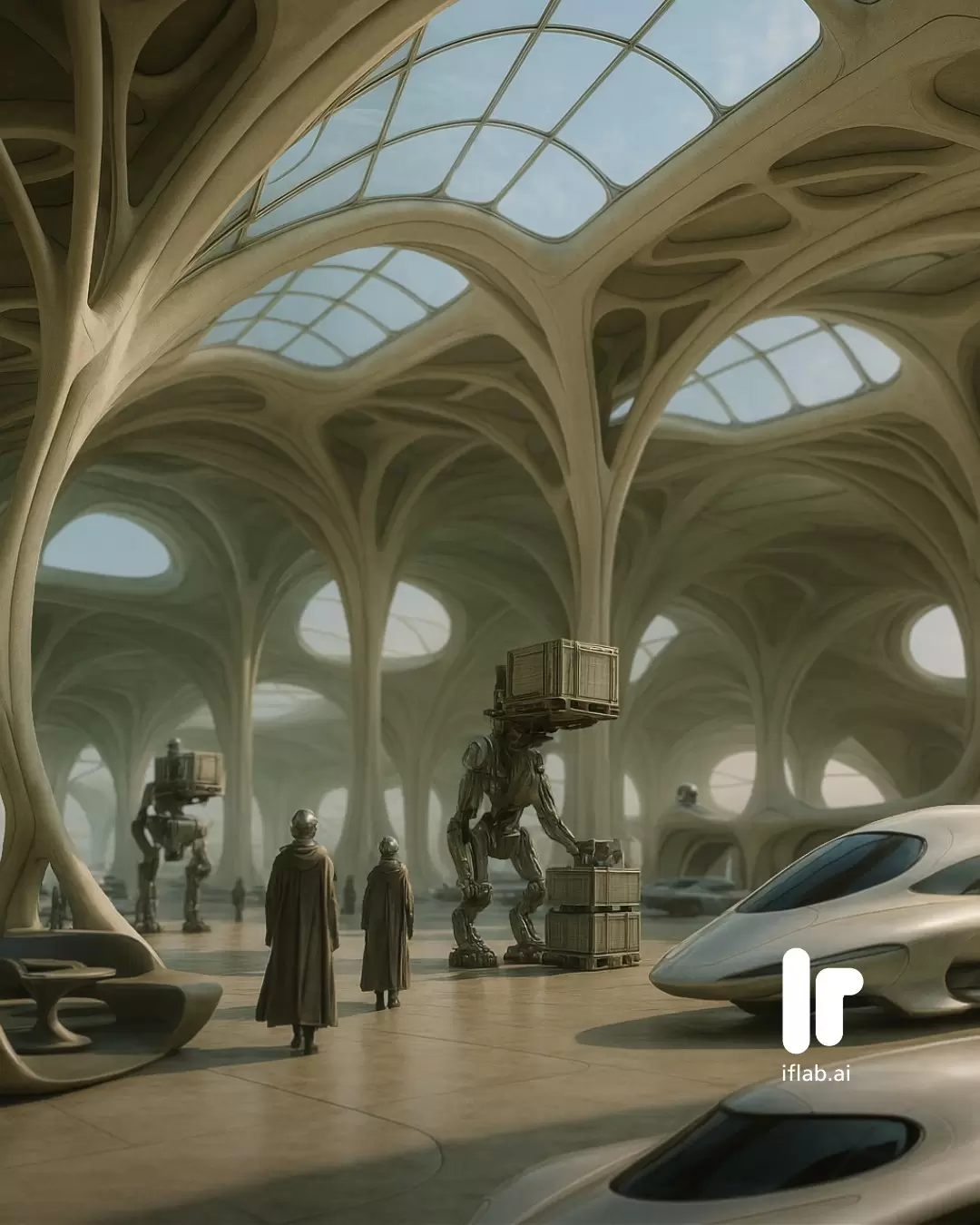
The revival that has emerged today continues that vision through a deeper understanding of fabrication and digital craft. The new Space Age expresses curiosity through construction and wonder through precision. Designers draw inspiration from orbital stations, planetary bases, and kinetic systems that can change configuration over time. The round forms and capsule clusters we see in AURION recall that heritage of optimism. They represent a lifestyle of adaptability and grace. The city feels prepared for the unknown yet grounded in comfort.
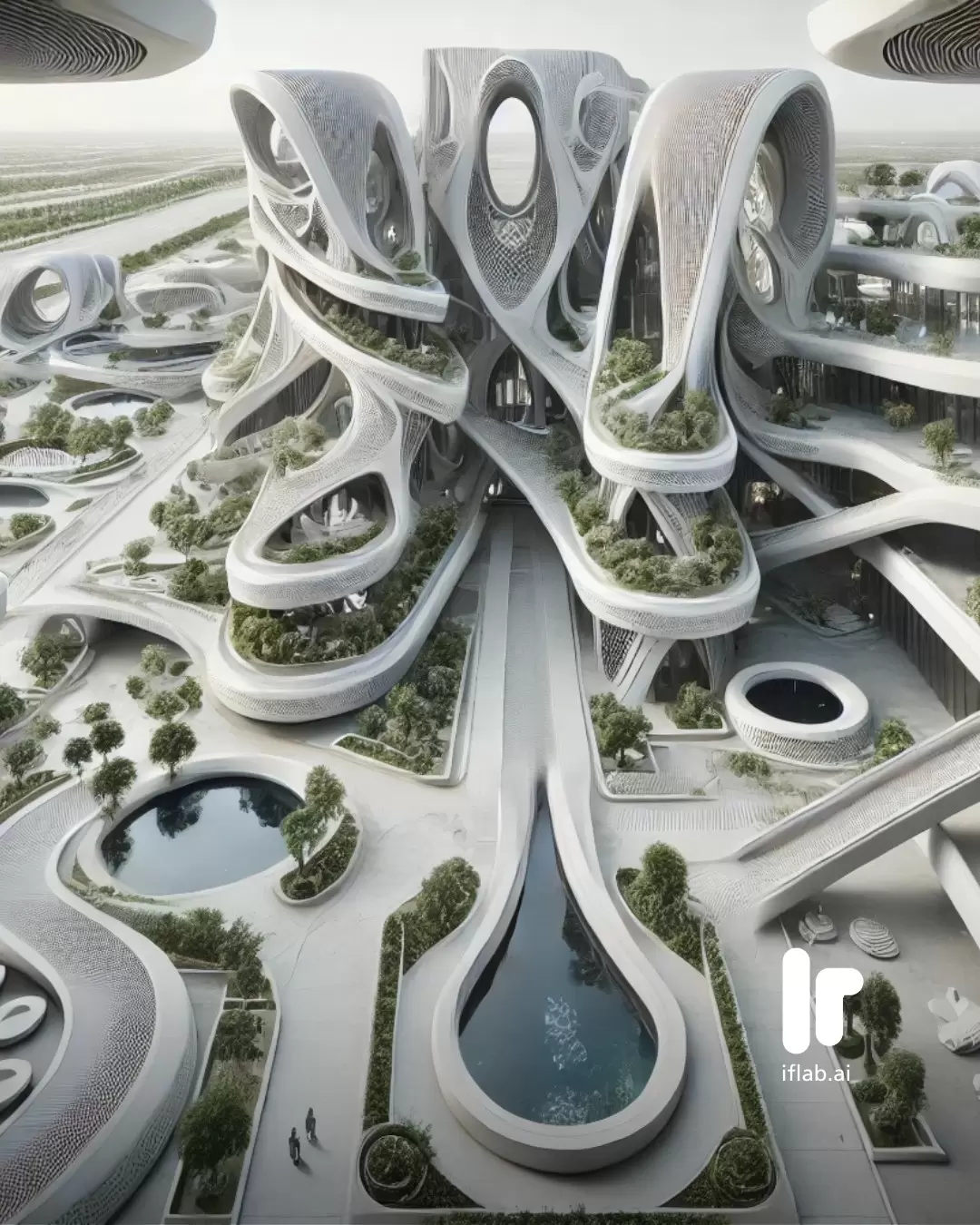
AURION stands as a contemporary extension of this lineage. Its modular buildings rise as luminous pods suspended above reflective surfaces. Each structure is independent yet connected through a shared network of energy and movement. The materials shimmer under sunlight with the warmth of polished alloys. Pathways link living quarters to communal decks that hover above still water. From a distance, the city seems to float in equilibrium between land and sky.
This revival reveals a new relationship between imagination and engineering. It carries the same belief that design can guide civilization toward higher possibilities. AURION celebrates that conviction. It offers a vision of architecture that feels light in body and immense in spirit, a world built for a generation that looks upward once again.
Leave a Reply