
Your cart is currently empty!
A Living Grid of Algorithmic Nature
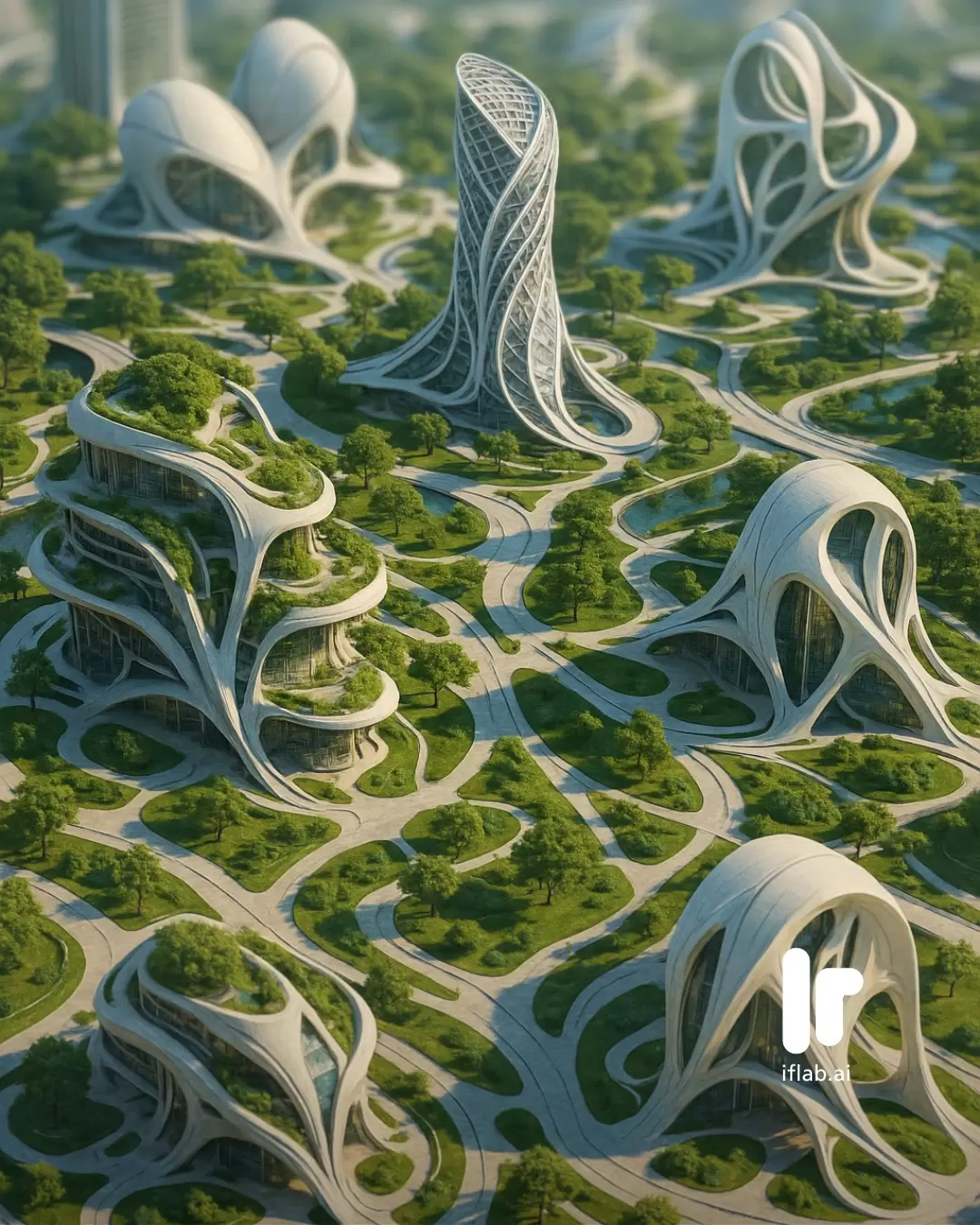
An urban ecology where architecture grows like coral and cities breathe like forests.
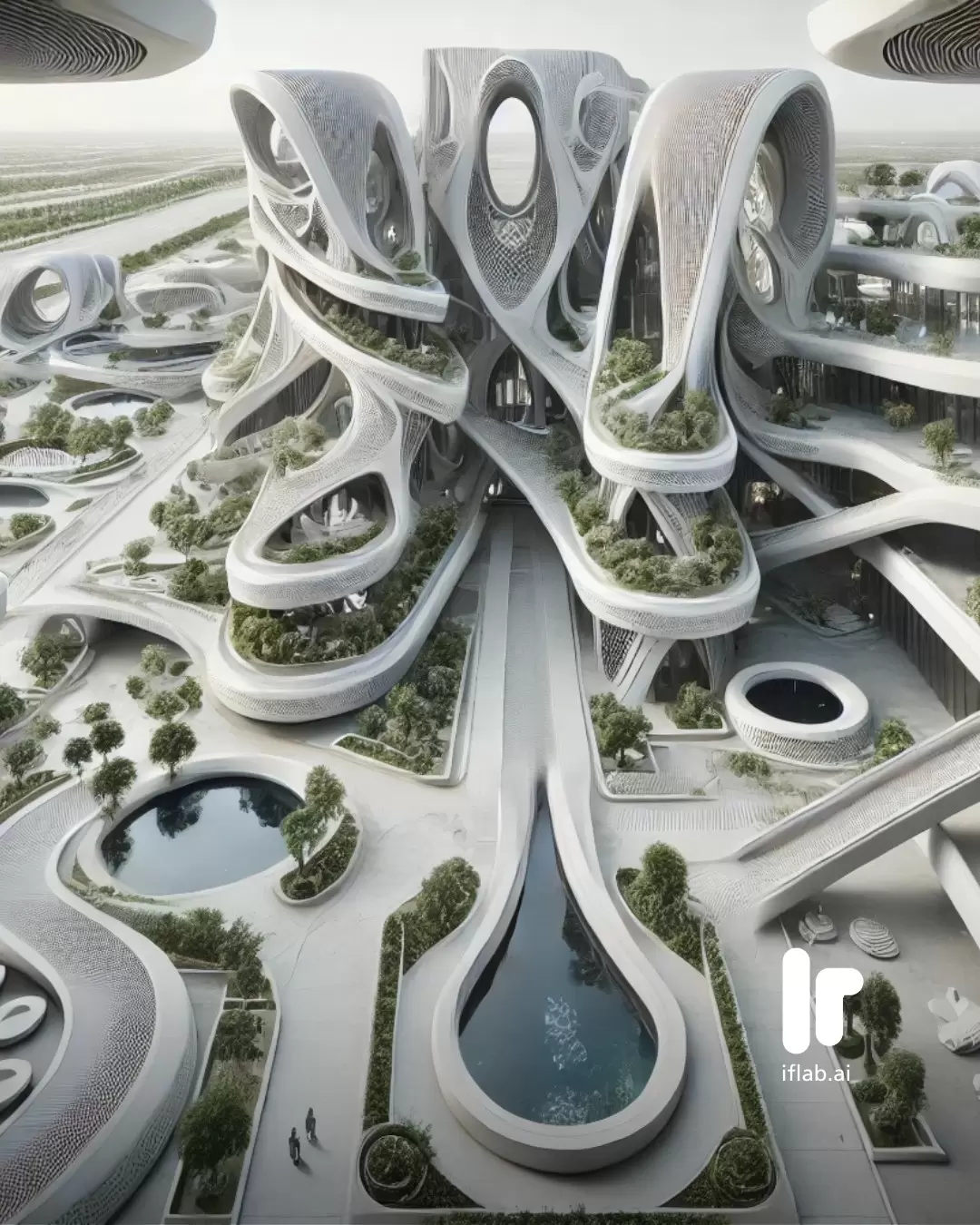
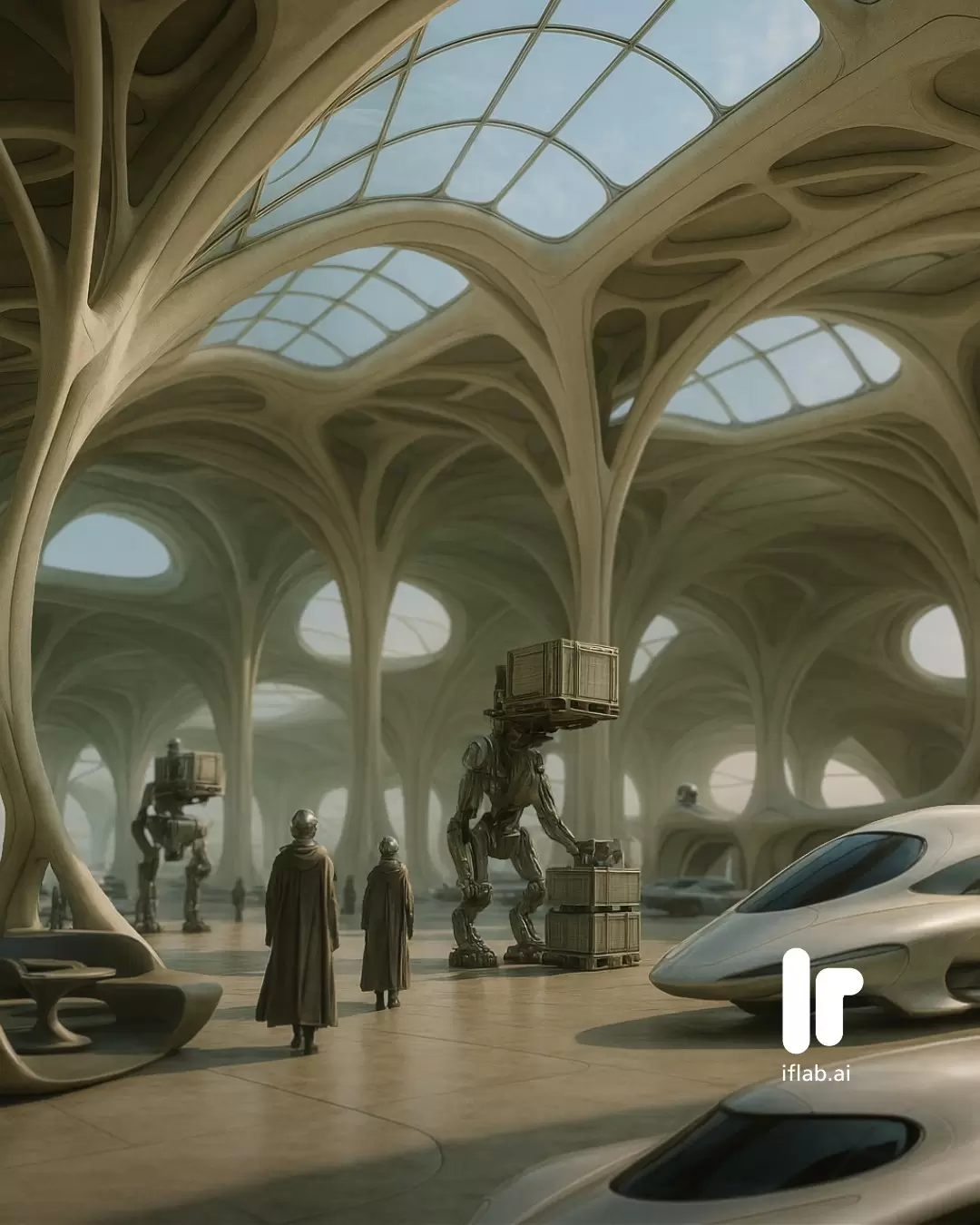
Verdantia Nexus envisions the city as a self-regulating organism. It is a place where architecture, landscape, and algorithmic intelligence form a unified ecosystem. Buildings rise from the terrain in a smooth, continuous flow, their shapes influenced by data streams that simulate growth, light diffusion, and environmental harmony. Each structure serves as both a vessel and a habitat, a biocomposite framework that supports vegetation, water cycles, and human life in harmony.
This speculative masterplan explores how AI can reimagine urban density without compromise, not as vertical congestion but as an evolved balance between structure and biosphere. In Verdantia Nexus, computation becomes the new climate as algorithms negotiate between heat, light, and airflow to choreograph the city’s respiration. The terrain reads like a living circuit, with roads and corridors functioning as conductive veins that distribute movement, data, and energy across the landscape.
Every curvature is a computational response to the forces of wind, sunlight, and human rhythm. Buildings tilt and twist in dialogue with the environment, producing microclimates that nurture biodiversity and passive cooling. Green systems are woven through the architecture like neural threads, forming a metabolism of photosynthesis, hydration, and habitation. The city becomes a symbiotic field where growth is designed and design is alive, a choreography between architecture and environment that amplifies nature through algorithmic empathy.
Leave a Reply